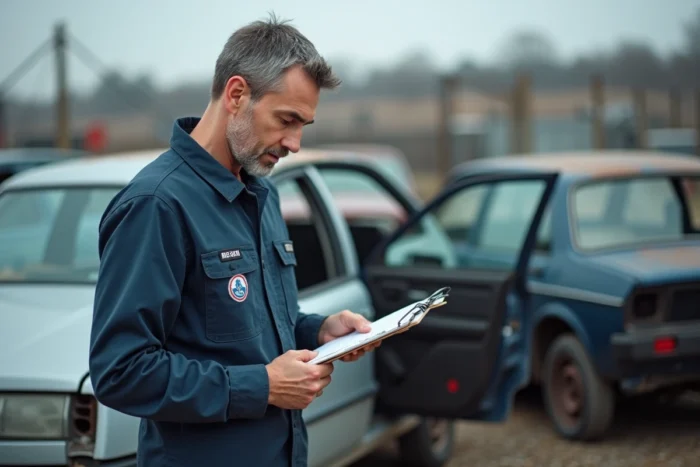
The scrapping buyback refers to the purchase of a vehicle at the end of its life by an authorized professional, with a view to dismantling it and recycling its components. The price obtained depends on specific technical criteria, and the disappearance of the conversion bonus since the end of 2024 changes the situation for owners looking to extract residual value from their car.
Residual value of a car destined for scrapping: what really matters in the estimation
The residual value of a non-operational vehicle is not calculated like that of a classic used car. The Argus or online valuation no longer applies: the price is based on what the vehicle can still provide in terms of raw materials and reusable parts.
The total weight of the vehicle is the primary criterion. Ferrous and non-ferrous metals (steel, aluminum, copper) represent the most valuable part. A heavy vehicle, even if immobile, is worth more than a light city car at the same stage of degradation.
The brand and model play a direct role. Certain references generate strong demand for used spare parts, which encourages the scrapper to offer a higher amount. A model that is very common in the French market provides a broader outlet for its mechanical and body components.
The general condition of the vehicle remains crucial. A seized engine or a non-functional gearbox reduces the professional’s margin, while a vehicle whose mechanical components still work, even if it no longer drives, retains a higher interest. The catalyst, often rich in precious metals, can significantly alter the buyback offer on its own.
Before contacting an authorized center, it is useful to understand what you need to know about scrapping buyback to approach the negotiation with concrete benchmarks.

End of the conversion bonus: consequences on the buyback price in 2026
The national conversion bonus was stopped by decree on November 29, 2024, with the end of new applications for any purchase after December 2, 2024. Scrapping an old diesel no longer opens any rights to a specific national aid for individuals.
This removal changes the economic logic of the buyback. Previously, the bonus could reach several thousand euros and often constituted the most interesting part of the operation. The amount paid by the VHU (end-of-life vehicle) center then seemed secondary.
In 2026, the only recoverable value comes from the buyback by the authorized professional. The available aids are now structured around energy savings certificates (CEE) and no longer condition their payment to the destruction of an old vehicle:
- The Coup de Pouce bonus for electric passenger vehicles concerns the purchase of a 100% electric or hydrogen vehicle, with price and weight conditions, without requiring the scrapping of an old model.
- The social electric leasing, relaunched in mid-July 2026, allows access to a new electric vehicle with regulated monthly payments, again independently of any scrapping.
- The retrofit bonus remains available to convert an existing thermal vehicle to electric, but it concerns the retained vehicle, not a vehicle sent for destruction.
The owner of a vehicle at the end of its life must therefore evaluate the buyback as an independent operation, without relying on a public bonus related to scrapping.
Authorized VHU center or buyback by a third party: comparing car buyback offers
An authorized VHU center is the only operator authorized to issue a destruction certificate, a mandatory document to permanently deregister the vehicle from the registration system. Going through an unauthorized actor exposes one to penalties and leaves the vehicle legally active, with the responsibilities that come with it (insurance, fines).
Authorized centers sometimes offer free buyback (removal without charge, but without payment). Others buy the vehicle at a price that varies according to the criteria described above. The gap between two offers for the same vehicle can be significant, as each center values the parts and materials differently based on its stock and clientele.
Online buyback platforms
Several online services allow for a quick estimate by providing the brand, model, year, and condition of the vehicle. These tools give a rough idea, but the final price depends on the physical inspection of the vehicle. The online estimate serves as a basis for comparison, not a firm commitment.
Direct negotiation with a car scrapper
Contacting several local scrappers remains the most reliable method to obtain the best price. Specifying the condition of the engine, gearbox, and catalyst from the first exchange allows for more realistic offers. A vehicle whose mechanical parts are still functional should be highlighted as such, as the professional’s margin relies on the resale of these components.
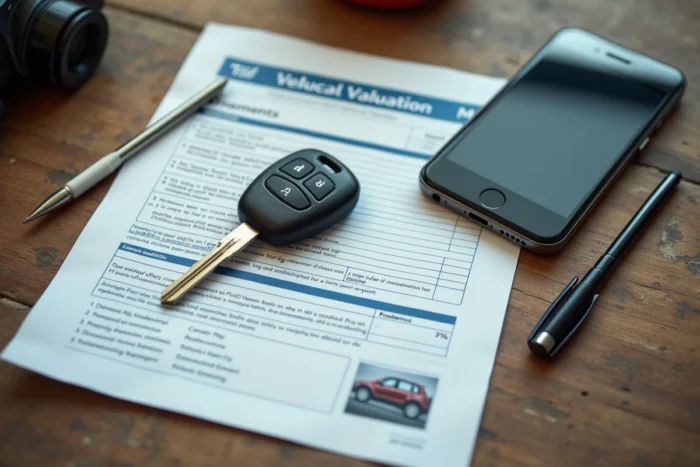
Documents and legal obligations to sell your car for scrapping
Selling a vehicle to an authorized VHU center requires precise administrative formalities. Three documents are required at a minimum:
- The registration certificate (carte grise), crossed out with the mention “sold on” or “transferred for destruction on,” followed by the date and the signature of the owner.
- The Cerfa transfer form, filled out in two copies, which formalizes the transfer of ownership to the authorized center.
- A valid identification document of the owner.
The authorized center then issues a destruction certificate within a regulatory timeframe. This document proves that the vehicle has been handled within the legal framework. Without this certificate, the registration certificate remains active and the owner remains responsible for the vehicle in the eyes of the administration.
Once the certificate is obtained, the cancellation of the car insurance can be done immediately. Keeping a copy of the destruction certificate for several years protects against potential disputes related to infractions occurring after the transfer.
The scrapping buyback remains a regulated operation where the value obtained primarily depends on what the vehicle can still offer in parts and materials. Comparing several offers, verifying the authorization of the center, and keeping all transfer documents are the three reflexes that secure the transaction.