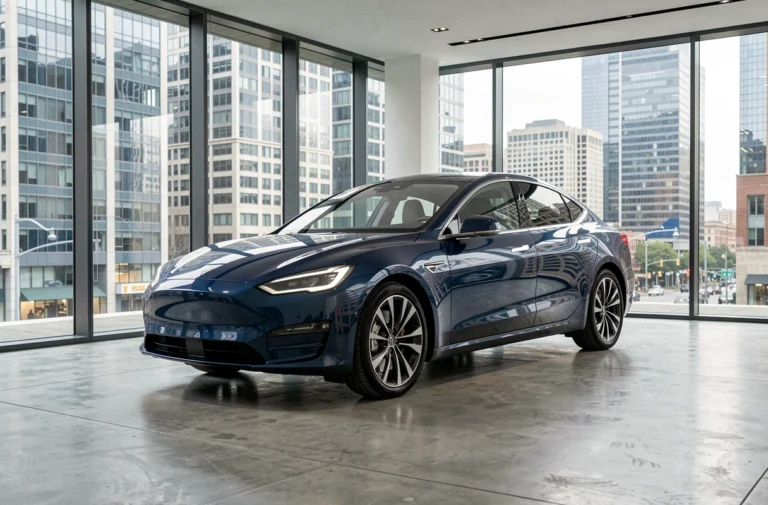
When looking for a new car in 2026, the first instinct is to compare the list prices. The problem is that most promotional offers are no longer based on a purchase price but on a monthly lease, which radically changes the way to calculate a good deal. This year’s automotive promotions are set within a modified regulatory framework, with stricter rules on LOA (Lease with Option to Purchase) and a rise in LLD (Long-Term Lease) among individuals.
LOA Reform 2026: What Changes for Car Promotions
Since the ordinances of September and December 2025, supplemented by the decree of February 19, 2026, contracts for leasing with an option to purchase for new vehicles are treated as consumer credit. This involves enhanced creditworthiness checks, more detailed information obligations, and distribution rules aligned with those of traditional credit.
The direct consequence for promotions is clear: it is now prohibited to condition a discount on the subscription of an LOA. Until 2025, many manufacturers displayed spectacular discounts on their models, provided that the buyer went through their leasing financing offer. This marketing lever has disappeared.
For us, buyers, this means we need to read offers differently. A promotion advertised “from X euros per month” must now detail the total cost, additional fees, and return conditions. If we want to check the promotions on Pulsion Laval, we find this type of transparency applied to current offers.
LOA or LLD for Individuals: Where to Find Real Discounts
The French automotive market has shifted. Leasing formulas (combined LOA and LLD) account for about 63% of new vehicle registrations in 2026. LLD, long reserved for corporate fleets, is now closely following LOA with about 30% of new registrations.

This distinction between LOA and LLD is not trivial when comparing promotional offers. Feedback varies on this point depending on buyer profiles, but here are some concrete benchmarks to keep in mind:
- LOA includes a purchase option at the end of the contract, which slightly inflates the monthly lease. Promotions often focus on reducing the first inflated lease or on the initial contribution offered.
- LLD does not provide for any buyback of the vehicle. Promotional offers focus on aggressive leases, sometimes including maintenance and insurance, making comparison with a cash purchase almost impossible without doing the calculations.
- A cash purchase or traditional credit remains relevant for high-mileage drivers or those who keep their car for more than five years, as the mileage penalties of leasing formulas can negate the advantage of the reduced lease.
When a manufacturer advertises “exceptional offer at 199 euros per month,” we first check whether it is LOA or LLD. The amount of the first inflated lease, the commitment duration, and the included annual mileage change everything.
Offers on Hybrid and Electric Cars: The Playground of Manufacturers
The most visible promotions in 2026 concern hybrid and electric vehicles. Manufacturers have strict regulatory targets on the average emissions of their fleet, which pushes them to sell these models with more significant discounts than on gasoline or diesel engines.
Plug-in hybrids concentrate the most aggressive offers, as they allow brands to lower their average emissions while offering a versatile vehicle. Substantial discounts are regularly found on models in segments B and C (city cars and compacts).
For electric cars, the landscape of public aids has evolved. The conversion bonus was eliminated in early 2025, which reduced the stacking of aids that made certain offers particularly attractive. The ecological bonus remains but with more restrictive conditions than before, especially regarding the vehicle’s environmental score.

In practice, when comparing an offer on an electric model, it is essential to check whether the displayed price already includes the deducted ecological bonus or if it is the price before aid. Some dealership networks deduct the bonus in the lease, while others display it separately.
Car Brokers and Manufacturer Discounts: Comparing the Right Channels
Car brokers remain a distribution channel where discounts on new vehicles often exceed those displayed in dealerships. Their model relies on bulk purchases from foreign networks or on the exploitation of excess stocks.
A broker negotiates on the list price, not on a lease. This is a fundamental difference from manufacturer offers, which prioritize highlighting monthly payments. For a cash purchase or financed by an external car loan, going through a broker can yield significant discounts on common models (Peugeot, Citroën, Renault, Toyota).
The points of caution remain the same as before:
- Ensure that the vehicle is indeed imported new with a valid manufacturer warranty in France, and not a display model or pre-registered vehicle disguised as new.
- Compare the actual delivery time: brokers sometimes display prices on vehicles still in production, with delays of several months.
- Ensure that the exact configuration (engine, trim, options) matches what is ordered, as price differences between two trim levels can be significant.
On the dealership side, offers for trading in the old vehicle often constitute the most effective negotiation lever. The premium applied to the trade-in can represent the equivalent of a direct discount, without appearing in the displayed price.
The most profitable reflex in 2026 remains to cross three quotes: that of the local dealer with manufacturer financing, that of a broker for a cash purchase, and that of an all-inclusive LLD offer. It is the difference between these three figures that reveals the true promotion, much more than the percentage of discount displayed on an advertising banner.