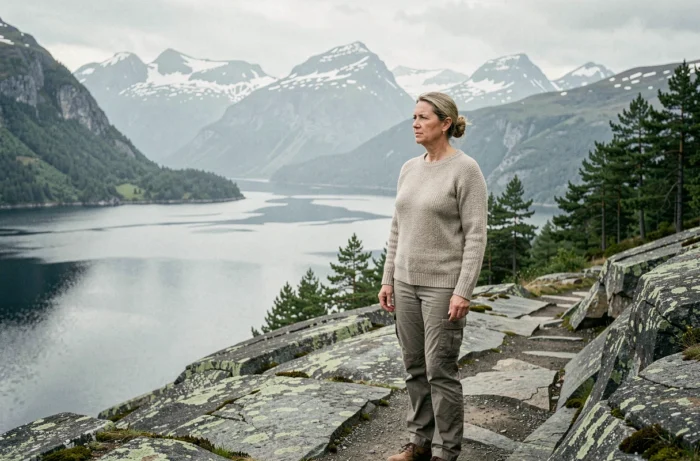
The climate resilience of a territory is not limited to its latitude or the coolness of its winters. It combines physical exposure to hazards, institutional adaptation capacity, and a recent trajectory of emission reductions. We observe that current rankings are reshuffling the cards well beyond the typically cited Nordic countries.
EPI Index 2026: Environmental performance as a marker of climate resilience
The Environmental Performance Index (EPI), published by Yale and Columbia, ranks countries based on their overall environmental management. In 2026, Estonia ranks first, ahead of Luxembourg, the United Kingdom, Finland, and the Netherlands. This result challenges the common belief that only large Scandinavian countries dominate this field.
Estonia owes its ranking to a significant reduction in emissions from its electricity sector over the last decade. The determining criterion is not a naturally protective climate, but a measurable progression logic. This point changes the analytical framework: a country “spared” by climate change is not necessarily the one experiencing the least heat, but the one actively building its resilience.
To delve deeper into the question of which country is the least affected by climate change, it is necessary to cross-reference physical exposure data with public policy trajectories. European countries dominate the top fifteen positions of the EPI 2026, reflecting a systemic advantage rather than a mere geographical one.
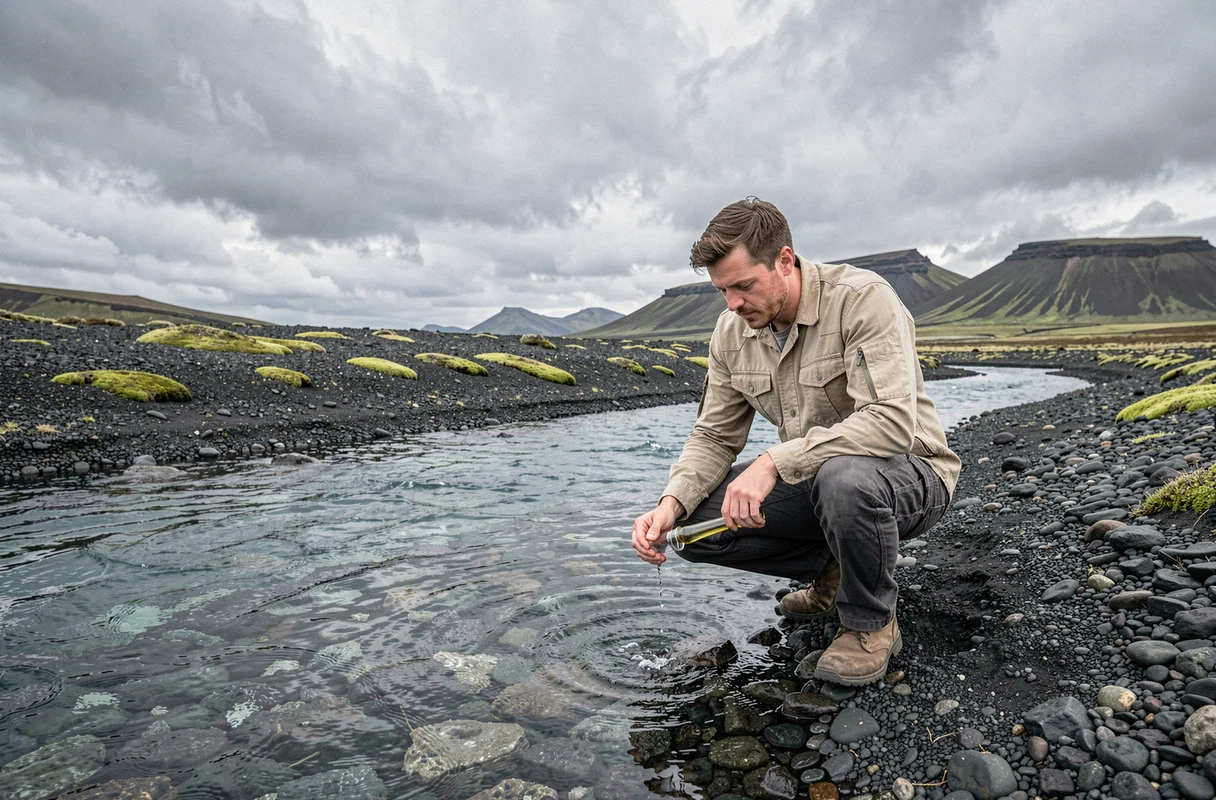
Physical vulnerability and low emissions: two concepts not to be confused
Bhutan, Gabon, Guyana, Panama, and Suriname are among the few countries with net zero or negative emissions thanks to their forests. Their carbon balance is exemplary. However, their physical vulnerability to extreme weather events remains high.
Low climate responsibility does not mean low exposure to risks. These countries absorb more carbon than they emit, but their infrastructure, coastlines, and agricultural systems are already suffering the consequences of rising global temperatures. Flooding, changes in precipitation patterns, and coastal erosion are advancing there.
In contrast, countries with high historical emissions like Finland or Norway benefit from abundant water resources, still temperate temperatures, and massive investment capacities in adaptation. This asymmetry between responsibility and resilience remains one of the blind spots in public debate.
Climate resilience criteria: what rankings really measure
Relocation-oriented “climate resilience” indices highlight a precise triptych:
- Temperate climate and abundance of freshwater: New Zealand, Ireland, and Canada consistently appear in the rankings due to significant water reserves and moderate average temperatures, even in advanced warming scenarios.
- Stable governance and institutional capacity: a country capable of planning over several decades, financing dikes, resilient infrastructure, and early warning systems absorbs shocks better. Northern Europe concentrates these advantages.
- Economic diversification and food security: countries heavily dependent on a single agricultural sector or massive imports of goods find themselves more exposed to supply chain disruptions related to extreme events.
We observe that recent analyses increasingly emphasize governance as a discriminating factor. Two countries with comparable climates can exhibit radically different levels of resilience depending on the quality of their regulatory anticipation.

European regions facing climate change: massive internal disparities
Europe dominates international environmental performance rankings, but this average masks considerable disparities. The southern part of the continent (Iberian Peninsula, Greece, southern Italy) is already experiencing prolonged heatwaves, increasing water stress, and rising mortality related to extreme temperatures.
The Nordic and Atlantic countries concentrate the best resilience prospects in Europe. Iceland, Norway, Sweden, and Finland combine relative cold, access to water, low population density, and budgetary adaptation capacities. Ireland and the United Kingdom, thanks to their oceanic climate, maintain moderate temperatures even in medium-term projections.
France is positioned in an intermediate place. Its Atlantic and mountainous regions retain some maneuvering room, while the Mediterranean coast faces increasingly acute water tensions. The national adaptation plan to climate change attempts to integrate this heterogeneity, but the vulnerability gap between the north and south of the country is widening each year.
Climate financing and justice: the gap between resilient and exposed countries
African countries sharply illustrate the global imbalance. Eight of the ten countries most affected by climate change are in Africa, according to data from the African Development Bank. Economic losses due to climate shocks can reach a considerable share of these countries’ GDP each year, while the continent receives less than 3% of global climate financing.
This structural gap means that the list of “spared” countries reflects not only geography or weather. It primarily reflects the financial capacity to absorb and anticipate shocks. A wealthy country with a temperate climate can finance dikes, urban forests, cooling systems, and agricultural insurance. A poor country with a tropical climate, even with very low emissions, does not have these levers.
The notion of a country spared by climate change is therefore more political and economic than purely climatological. Resilience trajectories are built on decades of investment, planning, and international cooperation, not solely on a favorable position on the map.