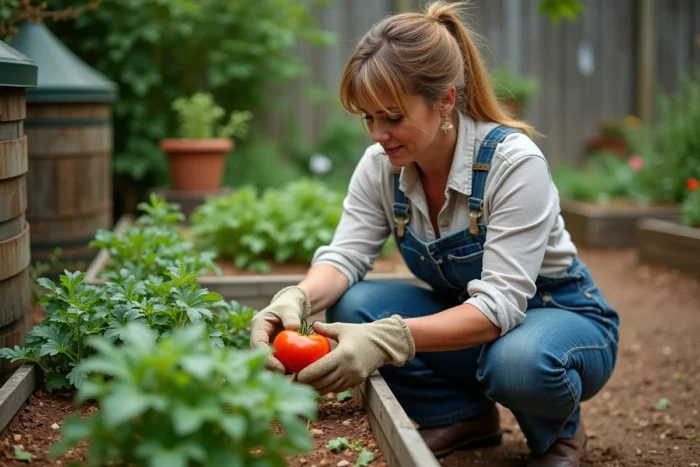
Ecological gardening in the vegetable garden is measured over several seasons, not just a single harvest. Between soil work without turning, the choice of suitable plants, and water management, the results vary depending on the practices adopted and the time of year. What concrete differences separate an ecologically managed vegetable garden from a conventional one, season after season?
Ecological maintenance of the vegetable garden versus classic creation: market dynamics
The UNEP barometer on the outdoor landscaping market provides an indicator rarely associated with domestic gardening. In the second half of 2025, garden maintenance increased by 8% compared to 2% for creation. This imbalance reflects a shift: the demand focuses on seasonal follow-up (mulching, reasoned watering, differentiated pruning) rather than the installation of turnkey gardens.
| Indicator | Ecological Maintenance | Classic Creation |
|---|---|---|
| Growth S2 2025 (UNEP) | +8% | +2% |
| Dominant type of intervention | Mulching, reasoned watering, seasonal adaptation | Occasional landscaping, installation of structures |
| Frequency of intervention | Continuous, aligned with the vegetative cycle | Occasional, often in spring |
This table illustrates why an ecological vegetable garden requires regular commitment. Seasonal practices (crop rotation, cover crops, vegetable associations) generate cumulative benefits for the soil and biodiversity, whereas occasional landscaping does not sustainably alter the garden’s ecosystem.
Specialized resources like grelinette-warrior.com document these no-till soil techniques, adapted to each time of the year.
Living soil in the vegetable garden: what each season profoundly changes
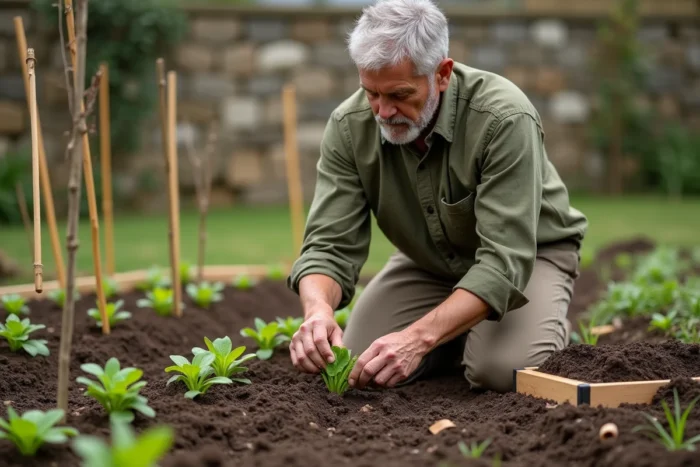
The soil of an ecological vegetable garden is not managed the same way in March as in October. In spring, microbial life resumes after the winter slowdown. The mulch left in place since autumn begins its final decomposition, releasing nutrients that are directly assimilable by the first plantings.
Autumn and winter: the period that conditions everything else
It is between October and February that the fertility of the following season is determined. A cover crop sown after the last harvests (phacelia, mustard, rye) protects the soil from rain leaching and fixes atmospheric nitrogen in the upper layers.
A covered soil in winter loses much less organic matter than bare soil. The difference is noticeable from the first spring tilling: the covered soil remains crumbly, aerated, and easy to work with a grelinette. The bare soil forms a compact crust that requires greater mechanical effort.
Summer: managing water stress without excessive watering
The experimental gardens set up by certain communities and associations serve as field laboratories to adapt the vegetable garden to heatwaves. The feedback shared with amateur gardeners focuses on three areas:
- Shifting sowing dates to avoid heat peaks during the growth of leafy vegetables
- Choosing deep-rooted varieties capable of drawing water from the lower soil layers
- Protecting the soil with thick mulch (straw, wood chips, dead leaves) that significantly reduces evaporation
Reasoned watering targets the roots, not the foliage. A drip irrigation system placed under the mulch limits evaporation losses and reduces the pressure of fungal diseases on the plants.
Biodiversity and garden auxiliaries: a capital built over several years
An ecological vegetable garden does not produce its best results in the first year. Functional biodiversity (pollinators, pest predators, decomposers) gradually establishes itself when the welcoming conditions are stable.
Garden auxiliaries reduce pest pressure without chemical intervention. Ground beetles consume slugs, hoverflies attack aphids, and earthworms continuously aerate the soil. Their presence depends on the permanence of the cover crop, the absence of pesticides, and the diversity of cultivated plants.
Vegetable associations and rotation: two complementary levers
Crop rotation over three or four years prevents the accumulation of specific pathogens in the soil. Legumes (beans, peas, broad beans) enrich the plot with nitrogen for the following nutrient-hungry crops (tomatoes, squash, cabbage).
Plant associations work on a finer scale. Some combinations limit pest attacks through repellent effects or olfactory confusion. Others optimize space occupation by combining shallow-rooted vegetables with deep-rooting species.
Vegetable seeds adapted to ecological gardening: the offer is evolving
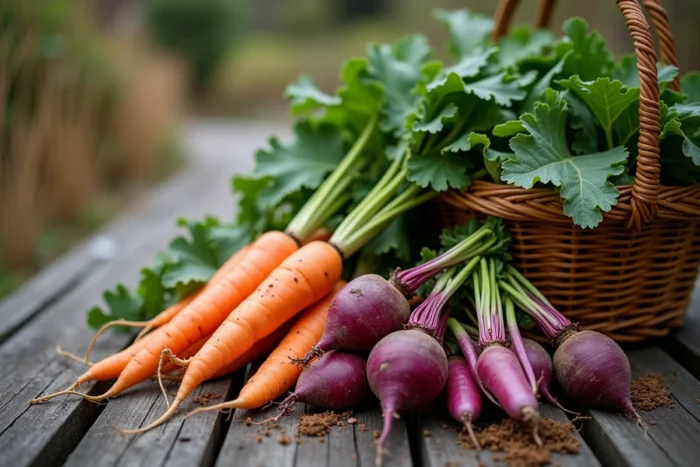
The seed offer is gradually aligning with the needs of vegetable gardens that are more economical in water, fertilizers, and treatments. The 2026 ranges include varieties selected for their hardiness and their adaptation to changing climatic conditions, not just for their gross yield.
This evolution in the offer reflects a change in priority among gardeners. Natural resistance to diseases, the ability to produce without intensive irrigation, and the capacity to self-seed from year to year are becoming selection criteria at least as important as the size or precocity of the vegetable.
Aromatic herbs (thyme, rosemary, sage, oregano) exemplify this trend well. Low water requirements, nectar-rich, and useful in cooking, they serve multiple functions in an ecological vegetable garden: attracting pollinators, repelling certain pests, and covering the soil between rows of vegetables.
Ecological gardening transforms a vegetable garden over time. The clearest benefits, such as easily workable soil, reduced pest pressure, and regular harvests despite climatic uncertainties, appear after two to three seasons of consistent practices. The consistency of seasonal actions matters more than the scale of a single intervention.